

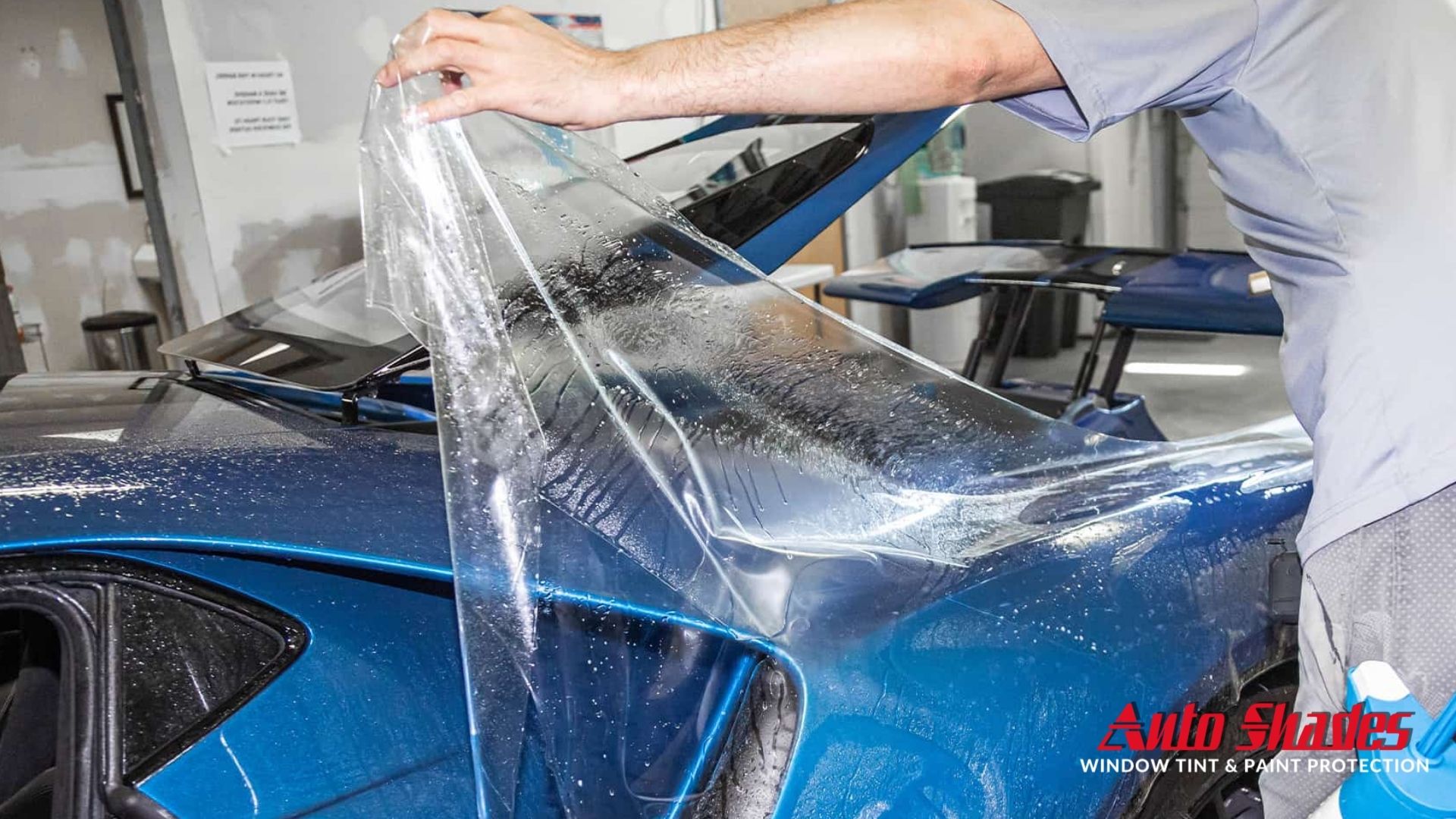
Paint Protection Film is one of those products that works best when expectations are clear from the start. We spend a lot of time explaining not only what it does well, but also what it is not designed to do. PPF is not a magic shield, and it will not make a vehicle immune to every possible form of damage. What it does extremely well is manage the kind of wear that slowly adds up during normal driving.
Paint Protection Film is designed to absorb impacts from small debris, reduce surface damage, and protect factory paint from everyday hazards. It will not prevent damage from major collisions, deep scrapes against concrete, or improper washing habits. Understanding this distinction helps vehicle owners see PPF as a long-term protection tool rather than an unrealistic promise.
We also frame PPF as a practical ownership decision, not a cosmetic upgrade. While it absolutely helps preserve how a vehicle looks, its real value shows up over time. Less paint damage means fewer corrections, fewer compromises, and less stress about where and how you drive. That mindset shift matters, especially for people who plan to keep their vehicle in good condition for years.
Driving in and around Caldwell adds another layer to the conversation. Gravel on back roads, ongoing construction, highway driving toward Boise, and seasonal changes all contribute to paint wear faster than many people expect. From our perspective as installers and vehicle owners ourselves, those local factors are exactly why Paint Protection Film makes sense here.
What Paint Protection Film Is and How It Works
Paint Protection Film is a clear, durable urethane film applied directly to painted surfaces of a vehicle. You may also hear it referred to as clear bra, protective film, or surface protection. Regardless of the name, the purpose is the same: create a sacrificial layer that takes damage instead of your paint.
At a basic level, Paint Protection Film works by absorbing impact energy. Small rocks, road debris, and grit strike the film first, reducing or completely preventing damage to the paint underneath. Modern films are engineered to be flexible, optically clear, and resistant to yellowing when properly installed and maintained.
Some key characteristics of Paint Protection Film include:
- Multiple layers designed for strength and flexibility
- Thickness that helps absorb impacts without affecting appearance
- A self-healing top layer that can reduce the visibility of light swirl marks from heat
Over time, PPF interacts very gently with factory paint. When professionally applied, the film does not damage the surface and can be safely removed when it reaches the end of its service life. In most cases, the paint underneath is left in far better condition than unprotected panels. This is why proper PPF installation matters so much. Surface preparation, alignment, and edge work all influence how well the film performs over the long term.
Why Paint Protection Film Makes Sense for Caldwell, Idaho Drivers
Caldwell drivers deal with a mix of conditions that quietly wear down vehicle paint. Gravel from rural roads, loose debris from construction zones, and regular highway driving all create repeated impacts that add up faster than most people realize. Even short daily commutes can expose a vehicle to constant abrasion.
Seasonal changes also play a role. Temperature swings, road treatments, dust, and moisture all affect paint surfaces throughout the year. These factors may not cause immediate damage, but over time they contribute to chipping, surface wear, and fading in high-impact areas.
From our experience, protection needs vary heavily by region. A vehicle driven mostly in urban stop-and-go traffic faces different risks than one regularly traveling highways or rural roads. In Caldwell and surrounding areas, Paint Protection Film helps manage those region-specific challenges in a way that traditional waxes or sealants simply cannot.
We approach PPF as a solution tailored to how people actually drive here, not just what kind of vehicle they own. That regional context is a big part of why we rely on this product ourselves.
Key Areas Commonly Protected With Paint Protection Film
Not every part of a vehicle needs the same level of protection. Some panels take significantly more abuse during everyday driving, which is why Paint Protection Film is often applied strategically rather than everywhere.
High-impact areas commonly protected include:
- Front bumper, which absorbs most road debris
- Hood and front fenders, especially along leading edges
- Side mirrors, which are exposed and easy targets for chips
- Rocker panels and lower doors, where gravel and road spray collect
Full coverage is never mandatory. Many vehicle owners choose partial PPF options that focus on the areas most likely to be damaged. Others prefer full front coverage for broader protection, while some opt for full body protection when long-term preservation is the goal.
The key is understanding that Paint Protection Film is flexible in how it can be applied. Strategic coverage often delivers the best balance between protection, cost, and real-world use. From our standpoint, the right approach is always the one that fits how the vehicle is driven and maintained, not a one-size-fits-all package.
The Real Value of Professional PPF Installation
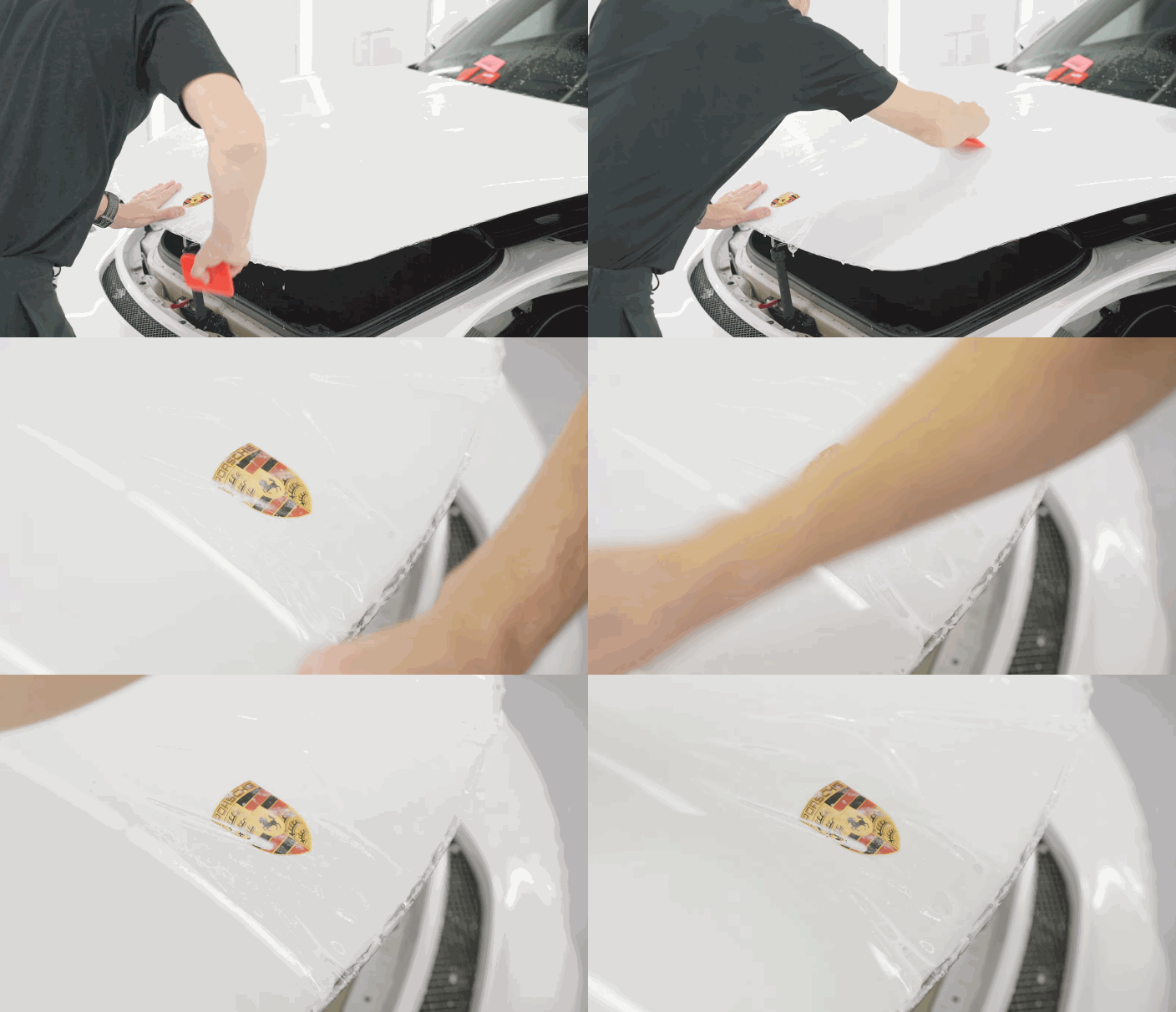
From our experience, the performance of Paint Protection Film depends just as much on how it is installed as on the film itself. High-quality material can only do its job when it is applied correctly. This is where professional PPF installation becomes critical for long-term results.
At a high level, proper installation comes down to a few core factors:
- Thorough surface preparation to ensure proper adhesion
- Precise alignment so the film follows body lines naturally
- Clean edge finishing to reduce lifting and premature wear
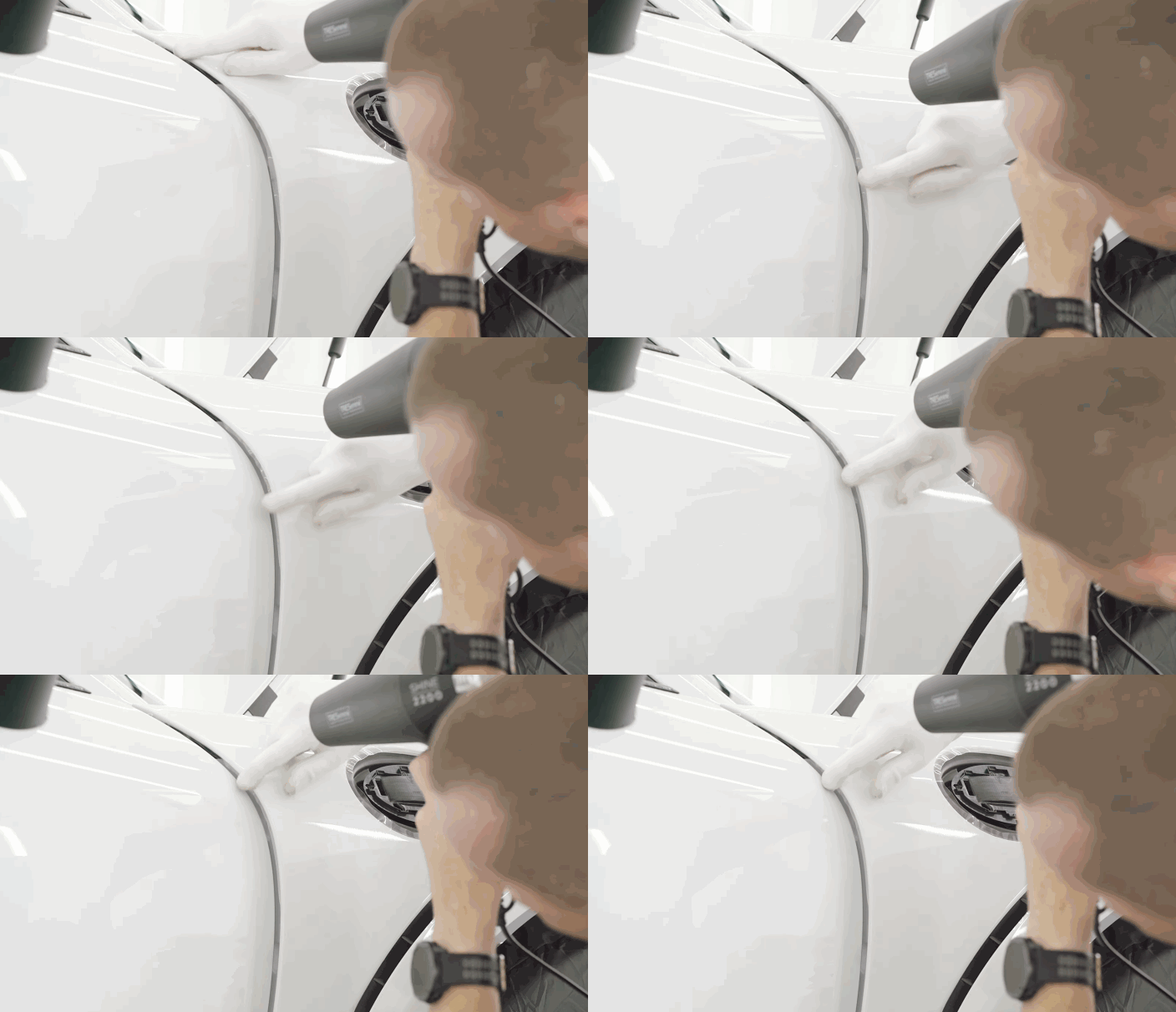
Surface preparation is often overlooked, but it sets the foundation. Any contamination left on the paint can affect how the film bonds and how it ages. Alignment accuracy also matters more than people realize. Film that is stretched or positioned incorrectly may still look acceptable at first, but it tends to wear unevenly over time. Clean edges help the film stay secure through regular washing and daily driving.
Poor installation does not usually fail overnight. More often, issues show up gradually, such as edges lifting earlier than expected, visible seams, or reduced self-healing response. These are not catastrophic problems, but they shorten the usable life of the film. That is why we emphasize PPF installation as a technical process, not just an application step. When done properly, the film performs consistently and protects as intended for years.
Long-Term Ownership Benefits Beyond Appearance
While Paint Protection Film certainly helps maintain how a vehicle looks, its long-term value goes much deeper than appearance alone. One of the most noticeable benefits over time is how much easier the vehicle becomes to maintain.
Protected paint is less prone to chips, surface damage, and embedded contaminants. That means:
- Fewer paint corrections are needed down the road
- Routine washing is more effective and less aggressive
- The original finish stays intact longer
Over years of ownership, this translates into fewer touch-ups and less repainting. Preserving factory paint matters, especially when it comes to resale value and trade-in evaluations. Vehicles with original paint in good condition are easier to assess, easier to sell, and often viewed more favorably by buyers and dealerships.
From a long-term satisfaction standpoint, PPF supports peace of mind. It allows owners to drive their vehicles without constantly worrying about every piece of debris or road imperfection. Importantly, Paint Protection Film does not replace proper care. It works alongside good maintenance habits to preserve what is already there.
For more on compliance or to schedule a consultation about PPF, contact Auto Shades Idaho.
Paint Protection Film Compared to Other Protection Options
Paint Protection Film is often discussed alongside ceramic coating and traditional waxing, but each serves a different purpose. Understanding how they differ helps vehicle owners make informed decisions rather than choosing one based on trends.
Waxing primarily enhances gloss and provides short-term surface protection, but it offers very limited resistance to physical impact. Ceramic coating improves chemical resistance and makes cleaning easier, yet it does not absorb impacts from debris.
Paint Protection Film stands apart when impact protection is the priority. Its thickness and flexibility allow it to take hits that would otherwise damage paint. That said, these solutions are not mutually exclusive. In many cases, ceramic coating is applied on top of PPF to improve ease of maintenance, while wax may still be used on unprotected areas.
The key is balance. PPF is the better option when the goal is to protect against chips and abrasion, while coatings and waxes support surface care and appearance. We always approach this conversation as guidance, not comparison selling, because the right solution depends on how the vehicle is used.
Working With a Local PPF Specialist in Caldwell
When it comes to Paint Protection Film, local experience matters more than many drivers initially realize. The way a vehicle is driven, the roads it travels, and the environment it is exposed to all influence how well PPF performs over time. That is why working with a local specialist makes a measurable difference.
Here in Auto Shades Idaho, our approach to Paint Protection Film is shaped by real driving conditions in and around Caldwell. Gravel from rural roads, highway debris between Caldwell and Boise, and ongoing construction all affect where protection is most valuable and how it should be applied.
Local experience also shows up in communication and inspection standards. Clear conversations about coverage options, honest assessments of paint condition, and realistic expectations about longevity help avoid frustration later on. Proper inspections before PPF installation ensure the film is applied to a surface that is ready, not rushed.
From our perspective, choosing a local PPF specialist is less about convenience and more about consistency. Familiarity with Caldwell driving conditions allows for smarter recommendations and more predictable long-term results.
Conclusion: Making an Informed Paint Protection Decision
Paint Protection Film is best understood as a practical long-term ownership tool, not a cosmetic shortcut. It helps manage everyday wear, preserve factory paint, and reduce the gradual damage that comes from real driving conditions rather than ideal ones.
When combined with proper PPF installation, the film delivers durability and peace of mind over time. Quality installation ensures the film performs as intended, ages evenly, and protects the areas that matter most. That combination is what makes PPF a reliable solution rather than a temporary fix. Contact us today if you are looking for the best PPF installation.
For drivers in Caldwell, where highways, construction zones, and seasonal changes are part of daily life, protection decisions should always be grounded in reality. That is how we approach Paint Protection Film at Auto Shades Idaho, both as installers and as vehicle owners who rely on this type of protection ourselves.
Taking the time to evaluate how a vehicle is used, what conditions it faces, and how long it is expected to be kept leads to better outcomes. Thoughtful decisions, paired with local expertise, are what ultimately protect both the vehicle and the ownership experience.
Idaho’s #1 for Auto Tint, PPF & Ceramic Coating
phone
address
Opening Hours
Tue - Sat: 09:00 AM - 05:00 PM Sun - Mon: Closed
address
Opening Hours
Mon - Fri: 09:00 AM - 05:00 PM Sat - Sun: Closed
- 6302 E Cleveland Blvd, Suite B
- 4702 Beacon Ln, Suite 106