

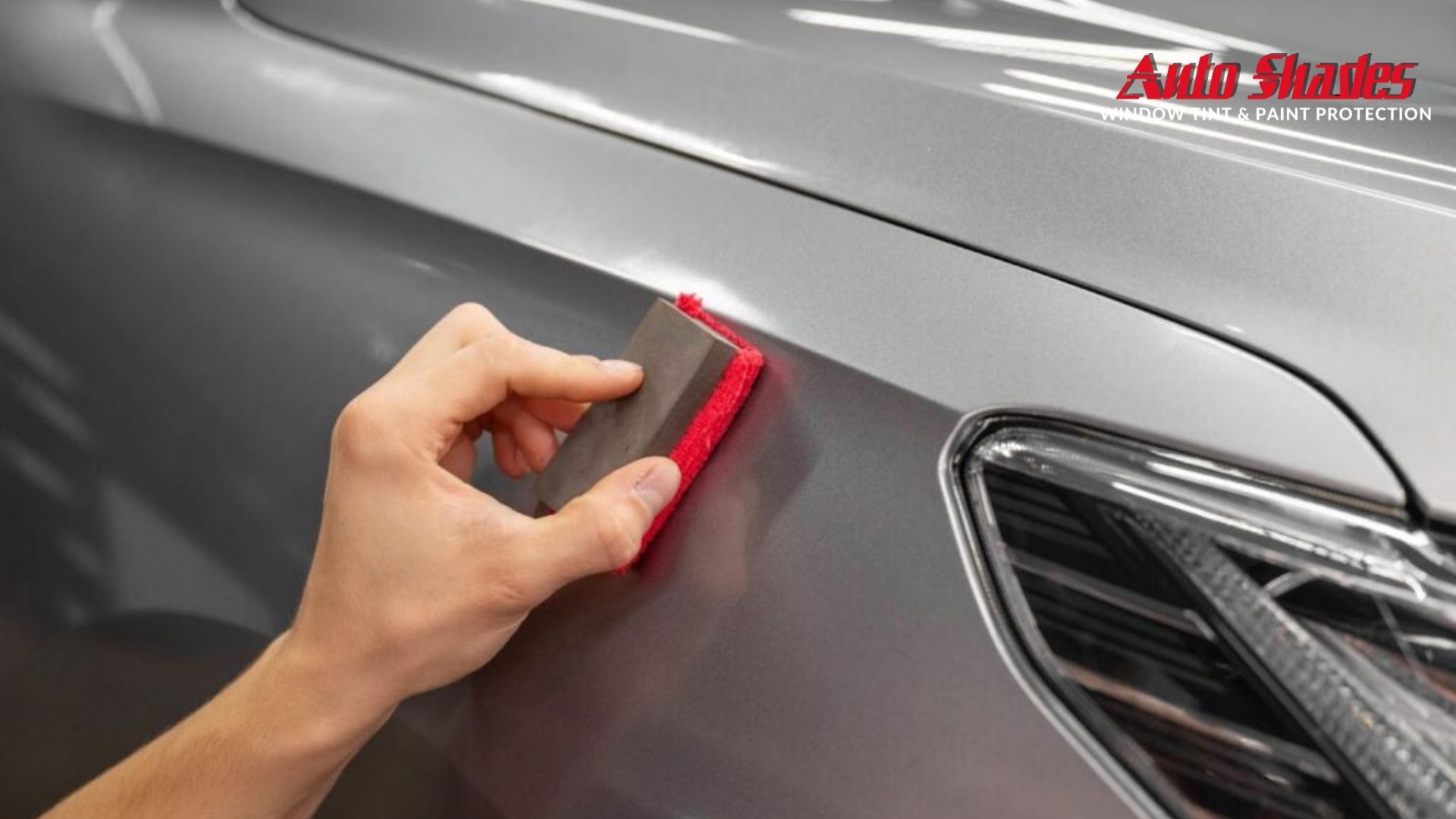
Every winter in Caldwell, we hear the same concern from local drivers: “How do I keep my paint protected when the roads are treated and my vehicle stays wet and dirty for weeks at a time?” And honestly, it’s a fair question. Between slush spray, freezing mornings, and roads that never seem fully dry in the heart of winter, your vehicle’s exterior takes a beating even if you’re doing everything “right.”
That’s exactly why this guide exists. We’re going to explain what Ceramic Coating can realistically do for snow, ice, and road treatment exposure, and where its limits are so you can make a smart decision instead of relying on hype. We’ll also walk through why ceramic coating application quality matters so much in winter climates like the Treasure Valley, and what kind of results you should actually expect in real-world Caldwell driving.
What Winter Does to Vehicle Paint in Caldwell (More Than Just Dirt)
Winter grime isn’t just ugly, it’s abrasive and persistent. And in the Treasure Valley, it sticks around longer than people realize because roads constantly go from wet to semi-dry to wet again. That cycle creates a layer of surface contamination that bonds to paint, especially on lower panels and around wheel wells.
One of the biggest issues is slush spray. That mist coming off the road doesn’t just disappear, it dries onto the paint as a dirty film. Then it freezes. Then it gets wet again. And every time you drive, more buildup gets layered on top. Over time, this creates wear that looks like dullness, staining, and even fine scratching, especially when cleaning turns into scrubbing.
If you drive regularly through Caldwell to Nampa or Boise, or if your commute involves Treasure Valley highways like I-84, you’re exposed to it constantly. The combination of highway spray, cold temps, and road treatment residue creates the perfect setup for paint to slowly lose clarity and smoothness over the season.
This is why winter car protection matters, not because paint “fails” overnight, but because winter conditions quietly speed up surface wear if your paint doesn’t have a strong layer of protection.
What Ceramic Coating Actually Is (Simple Explanation, No Hype)
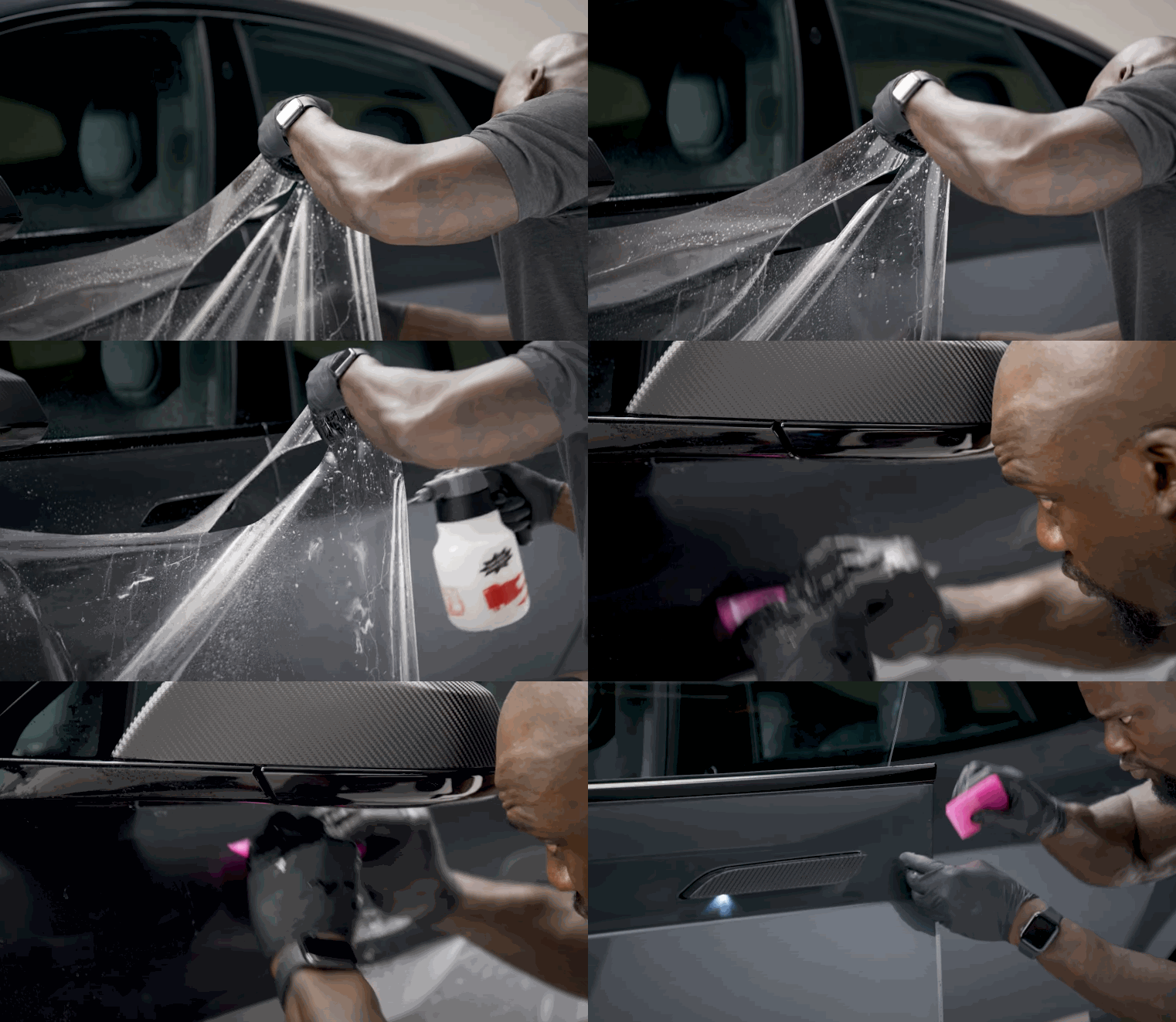
Let’s keep this straightforward. Ceramic Coating is a protective layer that bonds to your vehicle’s clear coat. It’s not a wax, and it’s not a sealant that washes off quickly. When applied properly, it becomes a durable top layer that changes how the surface behaves, especially in harsh conditions.
Here’s what it improves in a practical, day-to-day sense:
- Gloss and depth in the finish (paint looks cleaner, longer)
- Slickness (contaminants don’t cling as easily)
- Hydrophobic behavior (water beads and rolls off faster)
- Resistance to buildup sticking to the paint
What Ceramic Coating is not, and this is important: it is not Paint Protection Film, and it is not impact armor. It won’t stop rock chips the way PPF does. But what it will do is make your vehicle significantly easier to maintain and help protect the finish from bonding contaminants that cause long-term dulling.
Done right, it’s one of the best upgrades for paint protection in winter because it helps you keep the vehicle clean without having to aggressively scrub it every time the weather finally gives you a chance to wash.
Can Ceramic Coating Help With Snow and Ice?
Yes, Ceramic Coating can absolutely help during snow and ice season, but not in the “magic shield” way some people expect. The real benefit is that coatings reduce how strongly snow grime and slush residue stick to the surface. That means less buildup, easier rinsing, and less need for aggressive cleaning that can scratch paint.
In winter, that matters more than most people realize. When you don’t have protection on the paint, cleaning becomes harder and harsher. You end up pushing gritty residue across the surface, and that’s exactly how swirls and fine paint marring happen.
Ceramic Coating won’t prevent ice from forming on your vehicle overnight. Caldwell mornings will still be Caldwell mornings. But it can reduce how tightly that frozen mess clings to the paint and help the vehicle release grime faster when you rinse it. For many of our customers who park outdoors or deal with temperature swings all winter, that difference is huge.
If your goal is easier winter cleaning, less paint wear from repeated washing, and better protection against buildup sticking to your vehicle, this is where Ceramic Coating really shines.
Road Salt and Road Treatment Protection in Idaho: What Applies Here
Idaho isn’t the same as the Midwest when it comes to road salt, and that’s true. But roads still get treated in winter, and more importantly, Caldwell drivers still deal with chemical residue and grime runoff that sits on paint for long stretches.
Even when it’s not heavy salt, winter road treatments and contaminated spray can cause:
- Staining and spotting as dirty water dries on panels
- Loss of gloss from persistent surface contamination
- Faster wear on lower panels where buildup sits the longest
This is where Ceramic Coating helps in a very real way. Because the surface becomes more resistant to contamination bonding, you’re less likely to get that “stuck” film that requires aggressive scrubbing. And when you’re able to remove residue faster and more safely, you reduce the long-term surface wear that makes paint look older than it should.
The real danger isn’t that road treatments touch your paint once, it’s that they sit there for days. In winter, people often go longer between washes, and residue has more time to dry, bond, and build layers. Ceramic Coating doesn’t make winter conditions disappear, but it makes your paint much more resistant to the slow damage that builds up over time
Why Ceramic Coating Application Quality Matters in Winter
In a winter climate like Caldwell’s, ceramic coating application quality is what determines whether the coating performs like a real protective upgrade or just feels like a short-term shine. Winter conditions put constant stress on vehicle surfaces: repeated wet-dry cycles, road residue drying onto panels, and frequent cleaning that can become aggressive without people realizing it. A properly installed coating holds up better because it bonds correctly, cures correctly, and starts with a surface that’s truly clean and ready.
Here’s what goes into doing it right before the coating even touches the paint:
- Wash and deep cleaning to remove buildup
- Decontamination to strip embedded grime
- Iron removal to eliminate bonded particles
- Clay treatment (when needed) to smooth the surface
- Polishing or light correction if the paint needs it
Then there’s curing, which is the part people don’t see but absolutely matters. Controlled curing conditions allow the coating to bond consistently so you get the durability and performance you’re paying for. Without that, the coating may look good at first but won’t deliver the same long-term resistance to staining and buildup, especially through a Treasure Valley winter.
At Auto Shades Idaho, we treat ceramic coating as a process, not a product. That means clean prep standards, careful application, and curing that’s done the right way, because that’s what gives Caldwell drivers real winter protection that lasts beyond the first few washes.
What Ceramic Coating Protects Best (And What It Does Not)
Ceramic coating is one of the best upgrades you can make for winter driving in Caldwell, as long as you’re using it for the right reasons. It’s not “armor,” but it is one of the best ways to make winter grime less damaging and much easier to deal with week after week.
Ceramic coatings protect best in these areas:
- Resistance to grime bonding and buildup sticking
- Reduced staining from dirty runoff drying on paint
- Easier maintenance with safer wash routines
- Improved surface slickness that helps release winter contamination
But it’s equally important to understand the limits. Ceramic coating does not prevent rock chips. It does not stop deep scratches. And it will not absorb impacts the way Paint Protection Film does. If your biggest winter risk is gravel spray at highway speeds, the front end still needs impact protection. If your biggest winter problem is constant grime, staining, and aggressive cleaning that slowly wears your finish down, ceramic coating is a great answer.
The best way to choose is to match the protection to the real winter risks of how you drive in Caldwell, not what sounds best online. That’s how you get long-term protection and real winter durability without disappointment.
How to Maintain Ceramic Coating During Winter in Caldwell
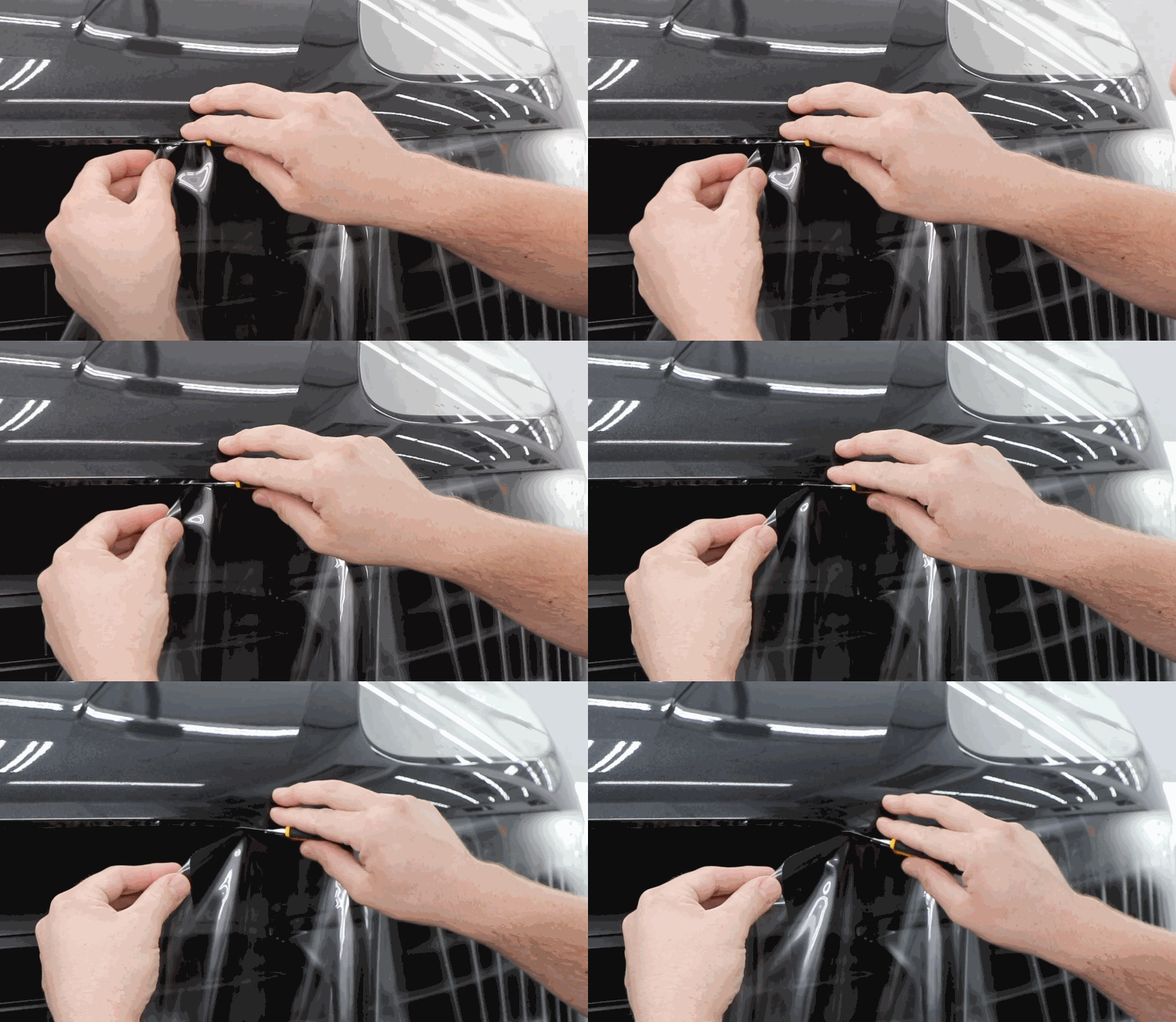
A professionally installed ceramic coating makes winter upkeep easier, but the way you wash during winter is what determines whether your finish stays clean and swirl-free. The mistake we see most often is people treating winter grime like normal dirt, when in reality it’s packed with fine grit that can scratch paint if it’s rubbed dry.
Here are winter maintenance habits that make a real difference:
- Rinse first before touching the paint
- Avoid harsh brushes and abrasive tools
- Use clean microfiber towels only (never re-used dirty ones)
- Rinse after storms when possible to prevent residue buildup
- Use gentle washing methods instead of aggressive scrubbing
What to avoid is just as important. Cheap brush washes, dirty towels, and aggressive scraping are some of the fastest ways to create swirls on coated paint. Even though ceramic coating adds resistance, it’s still smarter to remove contamination safely instead of grinding it into the surface.
If you’re not sure what products or wash habits are safe for coated paint in winter, Auto Shades Idaho is always here as a local support resource. We’d rather help you maintain it correctly than see a great coating get worn down early from preventable wash damage.
Conclusion: Is Ceramic Coating Worth It for Idaho Winter Protection?
For most Caldwell drivers, yes, ceramic coating is absolutely worth it, especially if winter means constant grime, wet roads, slush spray, and long stretches where washing your car feels impossible. Ceramic Coating doesn’t eliminate winter, but it changes how your paint handles winter. Snow grime releases easier, residue doesn’t bond as aggressively, and cleaning becomes safer because you don’t have to scrub so hard to get the vehicle back to clean.
The key is doing it correctly. The value isn’t only in the product, it’s in the prep work and the ceramic coating application process that makes it bond properly and cure consistently. When that process is done right, ceramic coating becomes a practical upgrade that protects your finish and saves you time all winter long.
If you want to protect your vehicle before this winter does permanent wear to your paint, contact Auto Shades Idaho in Caldwell. We’ll help you choose the right ceramic coating package for how you drive and make sure it’s applied the right way for real Treasure Valley winter conditions.
Idaho’s #1 for Auto Tint, PPF & Ceramic Coating
phone
address
Opening Hours
Tue - Sat: 09:00 AM - 05:00 PM Sun - Mon: Closed
address
Opening Hours
Mon - Fri: 09:00 AM - 05:00 PM Sat - Sun: Closed
- 6302 E Cleveland Blvd, Suite B
- 4702 Beacon Ln, Suite 106